Mister Stephen: The Handwritten Typeface That Elevates Small Business Branding
I remember the exact moment my small business needed a visual upgrade. It was a Tuesday morning, and I was staring at a stack of plain white boxes destined for our new line of handmade candles. We had great products, but the packaging looked generic. The labels were printed with a standard serif font that felt stiff and impersonal. My customers weren't just buying wax and wicks; they were buying an experience, a feeling of warmth and care. To deliver that, we needed a font that could speak directly to them in a friendly, human voice.
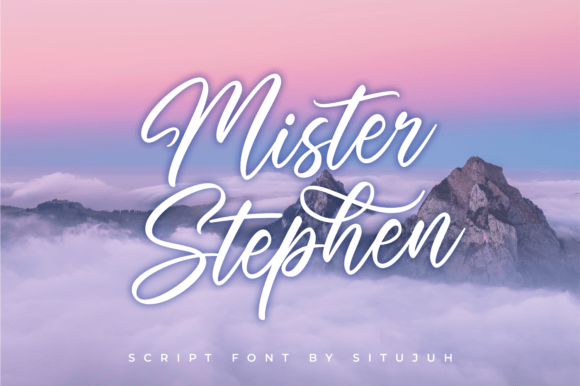
That is when I discovered Mister Stephen. As a creative consultant who helps entrepreneurs refine their brand identity, I have tested countless typefaces, but few carry the same immediate charm as this one. It is not just a collection of letters; it is a personality. Designed to replicate the appearance of casual handwriting, Mister Stephen brings a personal and informal touch to any project. Whether you are refreshing a café menu or updating your online shop banner, this script amp offers the distinct personality that modern brands crave.
Bringing Human Warmth to Your Product Labels
In the world of commercial design, one of the biggest challenges is balancing professionalism with approachability. Too much formality can make a brand feel cold, while too much chaos can look untrustworthy. Mister Stephen strikes a perfect balance. When I first applied this typeface to our candle jar labels, the transformation was instant. The slight irregularities in the letterforms mimic the natural flow of a pen on paper, creating a sense of authenticity that digital perfection often lacks.
This font excels as a display font for headlines and short phrases. On our packaging, we used Mister Stephen for the product names and key selling points like "Hand Poured" or "Lavender & Vanilla." The result was a label that felt curated and thoughtful rather than mass-produced. For small business owners, this distinction is crucial. A handwritten style suggests that a real person crafted the item, which builds trust and encourages repeat purchases. It turns a simple transaction into a connection.
The versatility of Mister Stephen extends beyond just labels. I have seen clients use it beautifully on thank-you cards included in every order. These little touches go a long way in fostering customer loyalty. Instead of a robotic "Thank You," a card featuring Mister Stephen feels like a note from a friend. It reinforces the idea that your business values its community. This level of detail is what separates a hobbyist store from a polished, memorable brand.
Building Consistency Across Digital and Print Channels
A cohesive brand identity requires consistency across all touchpoints. If your logo looks one way, your social media graphics look another, and your website uses a third, customers become confused. Mister Stephen serves as an excellent anchor for a unified visual language. Because it has such a strong character, it works well as a primary typeface for logos, ensuring that your brand name stands out immediately.
I recently advised a boutique owner who wanted to revamp her Instagram templates. She struggled with finding a font that matched her elegant aesthetic without looking dated. Mister Stephen solved this problem perfectly. By using it for captions and promotional text in her stories, she created a seamless transition between her physical tags and her digital presence. The font's legibility ensures that even on smaller mobile screens, the message remains clear and engaging.
When designing web banners or digital ads, readability is paramount. Mister Stephen is designed to be readable, even at larger sizes. However, for longer body text, it is best paired with a clean sans serif font. This combination creates a dynamic contrast: Mister Stephen captures attention with its flair, while the supporting typography ensures the information is easy to digest. This strategy, known as font pairing, is a staple of editorial design and modern typography. It allows you to maintain visual interest without sacrificing clarity.
Practical Applications for Creative Entrepreneurs
One of the most common questions I receive from clients is where exactly to apply a script font like Mister Stephen. The answer depends on your specific needs, but there are several high-impact areas where this typeface shines. For bakery owners, it adds a delightful touch to menu boards and cupcake wrappers. For beauty brands, it elevates skincare labels, making them feel luxurious yet accessible.
Consider the potential for merchandise. If you sell stickers, tote bags, or mugs, Mister Stephen can turn these items into walking advertisements for your brand. Its informal nature makes it ideal for decorative accents on flyers and event posters. It invites people in, suggesting that the event or sale is fun and relaxed. In the realm of coaching or consulting, using this font on a website header can soften the tone, making your services feel more personalized and less corporate.
It is important to note that while Mister Stephen is versatile, it is primarily a display font. It is best suited for headlines, logos, packaging titles, and short slogans. Using it for large blocks of text can reduce readability and fatigue the reader. Think of it as the star of the show, not the background actor. For supporting text, stick to a neutral sans serif or a classic serif font to let Mister Stephen do what it does best: add character.
Technical Considerations and Commercial Licensing
Before downloading any premium font for your business, it is vital to check the technical details. Mister Stephen comes with various styles, weights, and alternates that allow for creative flexibility. Some versions include ligatures, which connect letters smoothly to enhance the handwritten flow. Others offer multilingual support, which is essential if you plan to reach an international audience.
For small business owners, understanding the commercial font licensing is non-negotiable. Ensure that the license you purchase covers your intended use, whether it is for physical products, digital downloads, client work, or merchandise. A standard desktop license might cover your website, but selling products with your logo printed on them may require an extended commercial license. Always read the terms carefully to avoid legal issues down the road.
Furthermore, consider the file formats available. Most modern fonts come in OTF and TTF formats, compatible with major design software like Adobe Illustrator, Photoshop, and Canva. Having access to these design assets ensures that you can integrate Mister Stephen into your workflow seamlessly. Whether you are creating a mockup for a product launch or finalizing a print-ready PDF, having the right tools makes the process smoother.
Ultimately, typography is more than just aesthetics; it is a powerful tool for communication. Mister Stephen offers a unique blend of style and functionality that can elevate your brand from ordinary to exceptional. By choosing a typeface that reflects your values and resonates with your audience, you create a lasting impression. So, the next time you are preparing new product labels or refreshing your online shop, take a moment to consider how a font like Mister Stephen can tell your story better than words alone.